
Introduction
Dehydrated white onion have become an essential ingredient in food processing, seasoning blends, snack manufacturing, and commercial kitchens. Known for their convenience, long shelf life, and consistent flavor, these flakes offer significant advantages over fresh onions. As a leading international agro products trader, Real Extreme Export supplies premium dehydrated white onion to buyers around the world in bulk quantities. This article explores dehydrated onion white flakes, global market trends, quality standards, applications, packaging, sourcing strategies, and more — crafted to help buyers and exporters understand this industry deeply.
What Are Dehydrated White Onion Flakes?
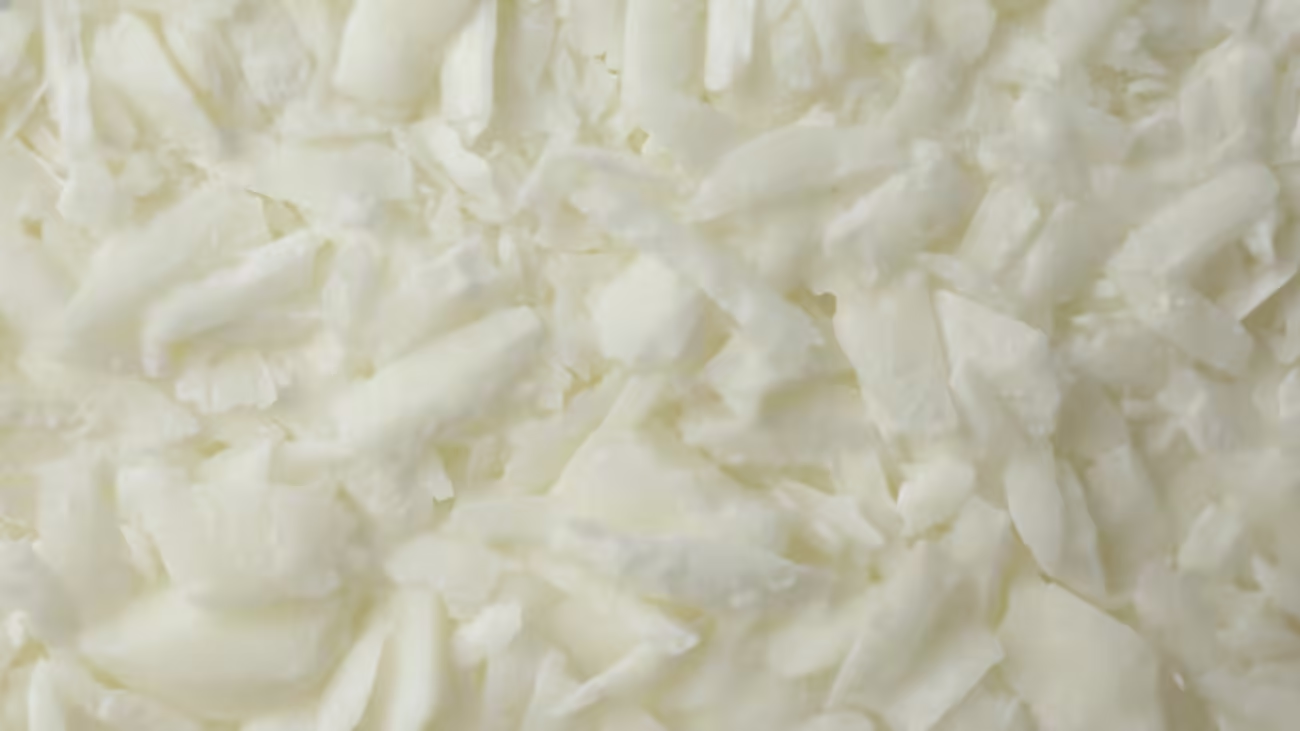
Dehydrated white onion flakes come from fresh white onions that undergo controlled dehydration to remove moisture. The process creates dried onion slices that retain their natural flavor and aroma while lasting longer in storage. Cooks can easily rehydrate these flakes during cooking or add them directly to dry mixes, seasonings, and ready-made meals.
Unlike fresh onions, dehydrated flakes reduce supply chain costs, minimize spoilage, and allow precise portion control — features that industrial buyers highly value.
Key Features & Benefits
Dehydrated white onion flakes are valued for:
- Extended Shelf Life: Removing moisture inhibits microbial growth and spoilage.
- Convenience: Easy to store and use without peeling or chopping.
- Consistent Flavor: Uniform taste that enhances commercial recipe standardization.
- Transport Efficiency: Reduced weight and volume lowers freight costs.
- Versatility: Suitable for sauces, soups, snacks, seasoning blends, and more.
These advantages make white onion flakes a staple ingredient in global food manufacturing sectors.
Processing Techniques for High-Quality Flakes
The quality of dehydrated onion flakes largely depends on the processing method. The typical steps include:
- Selection: Fresh, high-grade white onions are selected and cleaned.
- Peeling & Slicing: Onions are peeled and uniformly sliced.
- Pre-Treatment: Blanching or steam treatment to preserve color and flavor.
- Dehydration: Hot air or other drying methods reduce moisture content to acceptable levels.
- Cooling & Packing: Once dried, flakes are cooled and packed in moisture-proof packaging.
Different dehydration technologies — such as air drying, drum drying, or vacuum drying — can affect texture, color, and flavor retention. Choosing the right method is critical for global buyers who demand consistency.
Global Market Trends for Dehydrated Onion Flakes
The global demand for dehydrated onion flakes has risen in recent years due to multiple factors:
- Growth in Processed Foods
The expansion of convenience and processed food sectors continues to drive demand. Onion flakes are used in fast-moving food products like instant noodles, snacks, and ready meals. - Increased Industrial Use
Restaurants, food service providers, and seasoning manufacturers rely on dehydrated onion for cost-effective operations. - Export Demand
Markets in Europe, North America, South Asia, and the Middle East show sustained interest in dehydrated onion flakes due to their stable supply and quality standards. - Premium Ingredients
As consumers seek clean label and natural ingredients, dehydrated onion flakes offer a natural flavoring option preferred over artificial alternatives.
Leading Exporting Countries
Several countries play a significant role in the international trade of dehydrated white onion flakes. These exporters benefit from large onion production bases, modern processing plants, and efficient logistics.
| Country | Key Export Strengths | Typical Export Products |
| China | Large production scale, competitive pricing | White onion flakes, granules |
| India | Growing dehydration capacity, quality control | Dried onion slices and flakes |
| Egypt | Strong agricultural base, export network | Onion flakes and powder |
| Argentina | Seasonal exports to multiple continents | Flakes for industrial use |
| Spain | Established processing for European markets | Dehydrated flakes and dices |
These regions often lead in bulk exports due to established supply chains and consistent product quality.
Quality Standards and Compliance
For buyers importing dehydrated white onion flakes, quality and safety are paramount. International regulations often require compliance with quality assurance standards such as:
- Moisture limits: Ensuring low moisture content to prevent microbial growth.
- Color consistency: Uniform color indicates quality processing.
- Flavor retention: Preserved aroma and taste are important for food processors.
- Foreign matter limits: Low permissible limits of dirt or extraneous material.
Obtaining certifications like ISO, HACCP, and other food safety standards is vital for exporters like Real Extreme Export to ensure that products meet buyer expectations and regulatory requirements in destination markets.
Packaging and Logistics
Packaging plays a critical role in maintaining product quality during transit and storage. Common packaging solutions for dehydrated white onion include:
- Retail Packaging: Smaller sealed pouches for consumer markets.
- Bulk Packaging: 10kg, 25kg, or larger food-grade bags for industrial buyers.
- Container Load: 20ft or 40ft containers for large bulk shipments.
Proper moisture-proof packaging and climate-controlled storage are essential, especially for long sea voyages or exports to humid climates.
Applications of Dehydrated White Onion
Dehydrated white onion flakes are versatile and find applications across food sectors:
- Food Processing
Used in seasoning blends, dry soup mixes, sauces, and snack coatings. They deliver precise flavor without the variability of fresh onions. - Restaurant & Catering
Commercial kitchens use flakes for large-scale cooking due to ease of use and storage convenience. - Retail Seasonings
Blended into spice mixes, rubs, and packaged seasoning products. - Ready-to-Eat & Convenience Foods
Integral in products that require quick rehydration and consistent flavor.
Benefits of Working with Real Extreme Export
As an international agro product supplier, Real Extreme Export stands out for:
- Premium product quality sourced from reliable farmers and processors.
- Competitive pricing for bulk buyers.
- Global logistics support ensuring timely shipments.
- Compliance with international food standards for safety and quality.
- Custom packaging solutions to meet diverse market requirements.
Our focus on quality, reliability, and customer satisfaction ensures that international buyers receive dehydrated white onion flakes that meet or exceed expectations.
Market Insights: Pricing & Seasonal Trends
Prices for dehydrated white onion flakes can vary based on:
- Seasonal onion harvests: Affect raw material availability.
- Global logistics costs: Freight rates and fuel prices influence export pricing.
- Currency fluctuations: Exchange rates can impact international buying costs.
- Quality grades: Premium grades with higher aroma and consistent color command better prices.
Understanding these trends helps buyers make informed procurement decisions and plan purchases to optimize budgets.
Dehydrated Onion Product Forms
| Product Form | Description | Typical Use |
| White Onion Flakes | Medium-sized dried slices | Seasonings, processed foods |
| Onion Powder | Finely milled onion | Uniform flavor blending |
| Onion Granules | Coarser particles | Industrial food manufacturing |
| Onion Dice | Small dried cubes | Instant rehydration products |
These various forms cater to different processing requirements and applications based on buyer-specific needs.
FAQs — Most Asked Questions About Dehydrated White Onion Flakes
Dehydrated white onion are moisture-free and provide extended shelf life, convenience, and consistent flavor compared to fresh onions, which perish quickly and vary in quality.
When stored in cool, dry conditions with moisture-proof packaging, dehydrated flakes can last 12 to 24 months without significant quality loss.
Yes, food manufacturers prefer dehydrated onion flakes for processing sauces, snacks, seasonings, and ready-to-eat meals due to ease of use and consistency.
Buyers typically require low moisture content, uniform color, minimal foreign matter, and appropriate food safety certifications to ensure product integrity.
They can be rehydrated by soaking in water or cooked directly in soups, stews, and sauces, where they absorb moisture and release flavor.
In many applications, dehydrated flakes can be an effective substitute when texture is not critical. They provide similar flavor profiles with added convenience.
Conclusion
Dehydrated white onion flakes represent a dynamic and growing segment of the global food ingredient market. With rising demand in processed foods, food service, and retail sectors, this product offers convenience, extended shelf life, and cost efficiencies. Real Extreme Export delivers high-quality dehydrated white onion flakes to buyers around the world, backed by rigorous quality standards, competitive pricing, and reliable logistics. Whether you are a food processor, seasoning manufacturer, or industrial kitchen operator, understanding dehydrated white onion flakes and the global market landscape can help you make informed sourcing decisions.