
Introduction
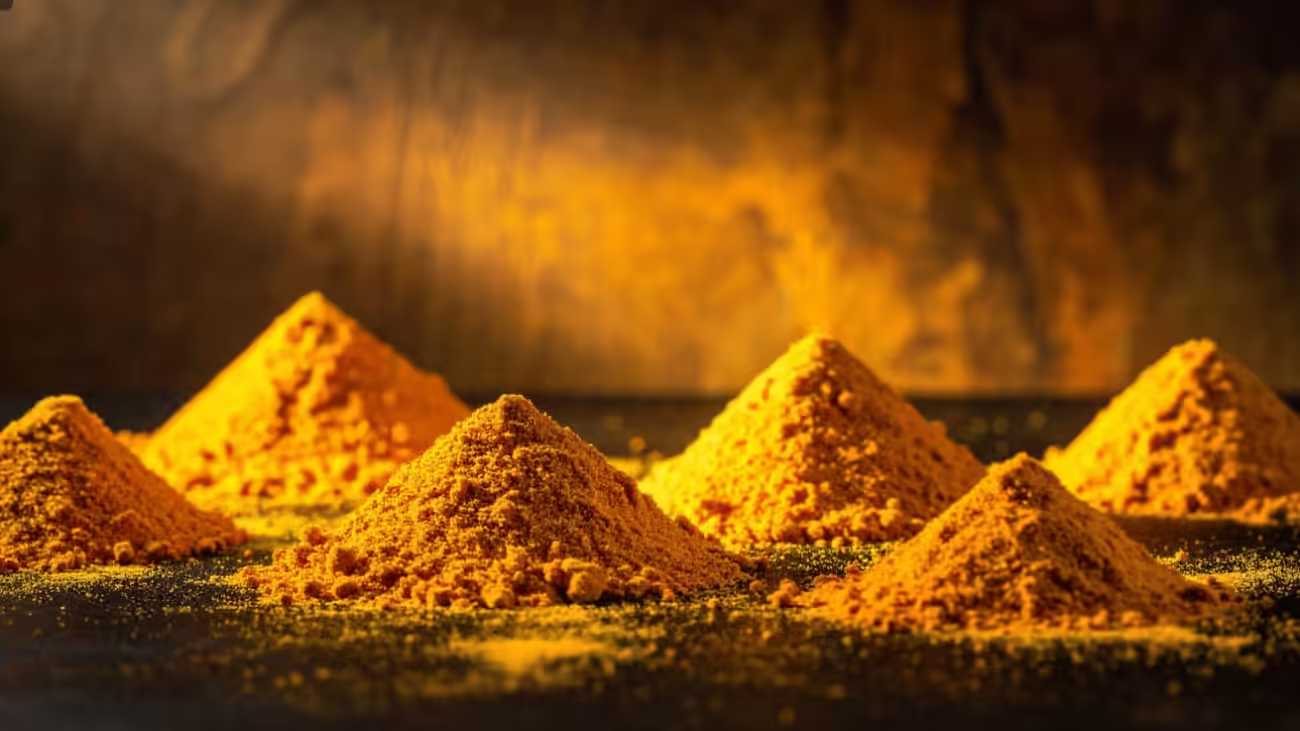
India has long been known as the home of turmeric, often referred to as “Indian saffron” because of its vibrant yellow color and diverse uses in food, pharmaceuticals, cosmetics, and wellness products. As the largest producer and exporter of turmeric in the world, India dominates global trade in this high-value spice, supplying raw turmeric roots, turmeric powder, curcumin extracts, and other value-added products to countries across Asia, the Middle East, Europe, and the Americas. Real Extreme Export, as a leading international agro export company, plays a vital role in sourcing, processing, and exporting premium turmeric to global buyers, meeting rigorous quality demands and compliance standards.
This article explores the current landscape of turmeric exports from India, export trends, major markets, quality standards, logistics, and common questions related to the global turmeric trade.
India’s Dominance in Turmeric Exports
India produces about 80% of the world’s turmeric, with the crop widely cultivated across several states. In 2024-25, the country exported approximately 1.37 lakh tonnes of turmeric, reflecting its continued leadership in the spice export market. Major importing nations include Bangladesh, the UAE, Malaysia, the USA, Morocco, and Iran.
The Indian turmeric export ecosystem benefits from centuries-old agricultural expertise, favorable climate conditions, and established trade networks. States such as Maharashtra, Tamil Nadu, Telangana, Karnataka, Odisha, and West Bengal are among the leading producers, helping India maintain a robust supply pipeline.
Key Forms of Turmeric Exported
Turmeric is exported in multiple product forms depending on market requirements. These include:
| Product Form | Description | Typical Uses |
| Raw Turmeric Roots | Unprocessed dried or fresh roots | Industrial processing, regional buyers |
| Turmeric Powder | Finely milled turmeric | Culinary, seasoning, food processing |
| Curcumin Powder | Extracted bioactive compound | Nutraceuticals, health supplements |
| Turmeric Oleoresin | Solvent extract with aroma and color | Food flavoring, cosmetics |
| Value-Added Blends | Packaged consumer-ready products | Retail markets |
Major Export Markets
Indian turmeric finds demand across continents due to its quality, consistency, and curcumin content. The major importing markets include:
- Bangladesh: Traditionally the largest buyer by volume, driven by culinary uses.
- United Arab Emirates (UAE): Strong importation for retail and processing.
- United States: Growing demand from food processing and nutraceutical sectors.
- Malaysia and Morocco: Significant buyers for traditional spice uses.
- Additional markets in Europe, the Middle East, and North Africa are showing rising interest.
Export Trends and Recent Growth
India’s turmeric export value has seen significant growth in recent years. In the fiscal year 2024-25, Indian turmeric exports were valued at approximately $341.54 million, marking a substantial increase compared to the prior year. This growth highlights expanding global demand, especially for quality turmeric products and value-added derivatives.
Looking ahead, industry analysts estimate that turmeric export value could increase further as demand rises for natural health products and functional foods. Some projections suggest that India’s turmeric exports may reach $1 billion by 2030, driven by expanding markets and increased production capacity.
Quality Standards and Compliance
For successful turmeric export, meeting international quality standards is essential. Exporters such as Real Extreme Export place strong emphasis on the following:
- Curcumin Content
The bioactive compound curcumin is a key indicator of turmeric quality. Many international buyers prioritize turmeric with high curcumin levels for medicinal and health applications. - Moisture and Purity
Turmeric must be properly dried to reduce moisture, prevent mold growth, and retain color and flavor. High purity levels with low foreign matter are expected by buyers. - Certification Requirement
Exporting turmeric often requires certifications such as ISO 22000, HACCP, and food safety management compliance. For specific markets, additional certificates like organic or fair-trade labels may be sought by importers. - Testing for Residues
International buyers may request testing for pesticide residues, heavy metals, and adulterants to ensure compliance with regulatory norms in destination countries.
By enforcing rigorous quality control and adherence to international standards, Real Extreme Export ensures that turmeric exports meet or exceed buyer expectations, reducing the risk of rejection at ports of entry.
Logistics and Documentation
Exporting agricultural commodities like turmeric requires careful planning of logistics and documentation. Key components include:
- Packing and Packaging: Bulk or retail packaging options to suit buyer requirements, including moisture-proof and export-grade materials.
- Freight and Shipping: Coordination with sea and air freight carriers depending on urgency, shipment size, and cost considerations.
- Documentation: Essential paperwork includes export invoices, packing lists, certificates of origin, phytosanitary certificates, quality reports, and compliance documents tailored to importing country requirements.
Efficient logistics and proper documentation help to streamline customs clearance and reduce delays, thereby improving supply reliability for international buyers.
Challenges in Turmeric Export
Despite its strong position in the global market, turmeric exporters face several challenges:
- Supply Variability
Since turmeric is an agricultural commodity, factors such as weather, pest outbreaks, and variable crop yields can influence the quantity and quality of produced turmeric. - Currency Fluctuations
Changes in exchange rates impact export profitability and pricing competitiveness. - Regulatory Changes
Updates in food safety norms or import regulations in destination markets can affect trade flows and compliance procedures. - Competition
While India dominates the market, countries such as Myanmar, Indonesia, Nigeria, and Bangladesh also export turmeric, increasing competition in specific regional segments.
Opportunities for Exporters
- Value-Added Product Expansion
There is growing demand for turmeric derivatives such as curcumin extracts, oleoresins, and ready-to-use spice blends, which typically command higher margins. - Organic and Health-Focused Segments
Consumers in Europe, North America, and parts of Asia are increasingly seeking organic and health-oriented products, providing opportunities for certified organic turmeric exports. - New Market PenetrationFree trade agreements and trade promotions open doors to new markets such as the UK, where demand for turmeric and its processed products is rising.
By monitoring market trends and adjusting product offerings, exporters like Real Extreme Export can capitalize on these opportunities to expand their global footprint.
FAQs – Most Asked Questions About Turmeric Exporting
India’s favorable climate, extensive cultivation area, and established processing infrastructure make it the leading source of high-quality turmeric for international markets, contributing around 80% of global production and holding a major share of world exports.
Indian exporters ship raw turmeric roots, turmeric powder, curcumin powder, turmeric oleoresin, and value-added blends to meet diverse international needs.
Major importers include Bangladesh, UAE, USA, Malaysia, Morocco, and Iran, reflecting demand across multiple regions.
Export quality turmeric typically needs to meet moisture limits, high curcumin content, purity standards, and comply with certifications like ISO 22000 and HACCP.
Yes, organic turmeric products have growing demand, especially in health-conscious markets in Europe and North America.
By focusing on niche products, investing in quality control, obtaining certifications, and targeting emerging markets with tailored offerings.
Conclusion
Exporting turmeric from India remains a robust and dynamic segment of the country’s agro export industry. With strong global demand, diversified product forms, and expanding market opportunities, Indian turmeric continues to be a preferred choice for buyers worldwide.
For importers and buyers looking for consistent quality, competitive pricing, and reliable logistics, partnering with established exporters like Real Extreme Export ensures successful and sustainable supply in the global turmeric trade.