
Introduction
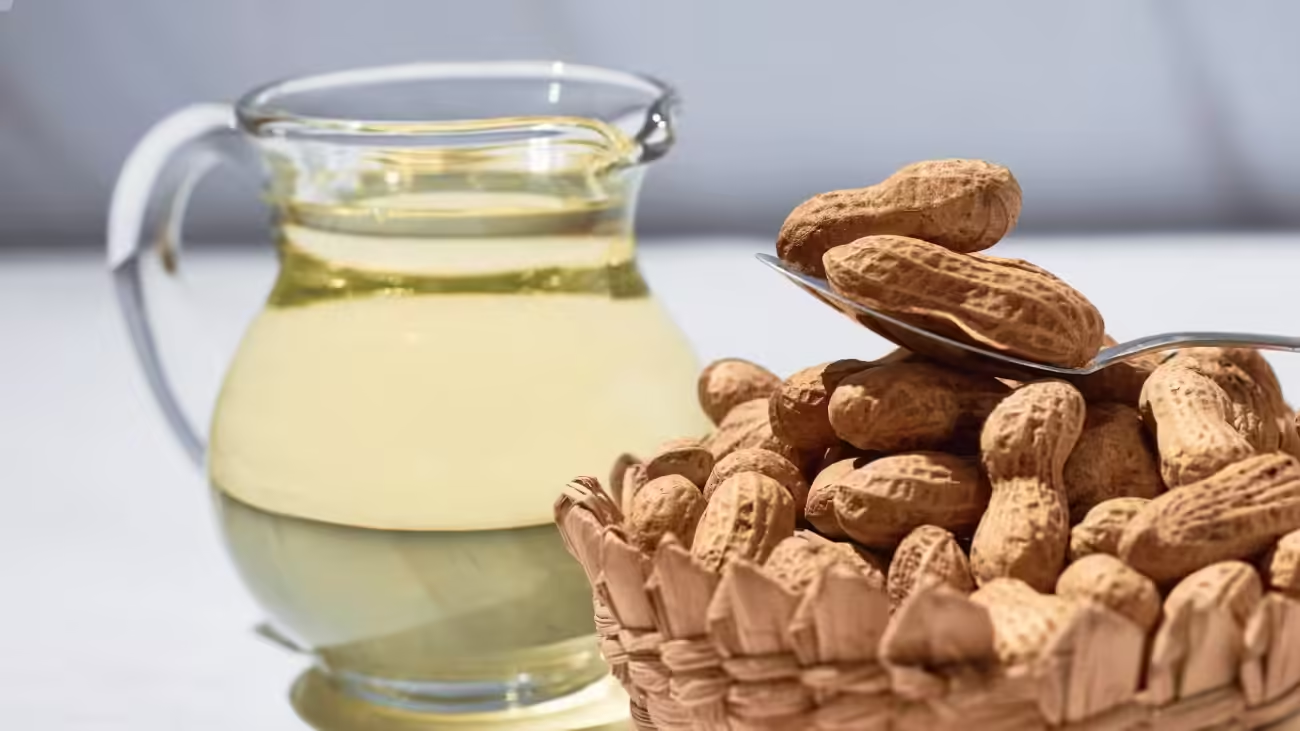
Groundnut oil, also known as peanut oil, is one of India’s most valuable edible oil export commodities. With robust production, rising global demand, and diversified applications across food industries, India plays a significant role in the international groundnut oil market. Real Extreme Export, a leading agro export company operating exclusively in international markets, leverages this demand by supplying premium quality groundnut oil to buyers across continents. This detailed article explores the dynamics of groundnut oil export from India, production trends, market drivers, quality standards, pricing factors, logistics, and frequently asked questions — all crafted to deliver comprehensive insights and strong SEO relevance.
What Is Groundnut Oil and Why It Matters
Groundnut oil is derived from the seeds of the groundnut plant and holds a prominent place among edible oils due to its favorable fatty acid composition, high smoke point, neutral flavor, and nutritional benefits. It is widely used in cooking, frying, and food processing industries, and is increasingly popular in health-oriented diets due to its unsaturated fat content.
India produces groundnut oil in various grades, and processors refine this oil to meet international standards before export. Quality, clarity, and stability are key parameters that international buyers look for when importing Indian groundnut oil.
India’s Position in the Global Groundnut Oil Market
India is one of the largest producers of peanuts in the world, and groundnut oil forms a significant portion of its edible oil export basket. With an extensive agricultural base and a well-established oilseed processing industry, India has the capacity to supply large volumes of groundnut oil to global markets.
Production volumes are driven by acreage under cultivation, climatic conditions, and yield improvements through modern farming practices. Export trends vary year by year based on domestic production, global demand, and geopolitical trade patterns affecting edible oils.
Key Export Destinations
India exports groundnut oil to a range of international markets where demand for quality edible oils remains strong. Top importers include countries in:
- Africa: Nigeria, Senegal, Ghana
- Middle East: UAE, Saudi Arabia
- Asia: Bangladesh, Nepal, Sri Lanka
- Europe: UK, Netherlands
- Americas: USA and Canada
These markets prefer Indian groundnut oil for its purity, nutritional quality, and the reputation of Indian processing standards. Real Extreme Export caters to buyers across these regions with timely shipments and customized supply solutions.
Types of Groundnut Oil Exported
Groundnut oil exported from India generally falls into the following categories:
- Refined Groundnut Oil: Clear, light, and suitable for direct consumption in cooking.
- Crude Groundnut Oil: Unrefined oil used by food processors for refining at destination countries.
- Cold Pressed Groundnut Oil: Premium unrefined oil known for its natural aroma and nutrients.
- De-oiled Cake and By-products: Used in animal feed and industrial applications.
Each type has specific quality parameters and applications. For example, refined groundnut oil is popular in retail and food service sectors, while cold pressed oil attracts health-oriented consumers.
Quality Standards and Compliance
Exporting groundnut oil requires adherence to stringent quality standards set by importing countries. These standards cover:
- Moisture and volatile matter
- Peroxide value (measure of oxidation)
- Free fatty acid level
- Color and clarity
- Absence of contaminants or adulterants
- Food safety certifications
Real Extreme Export ensures that all groundnut oil supplies are tested and verified in accredited laboratories before dispatch. Compliance with international food safety and quality certifications like ISO, HACCP, and others ensures seamless import clearance and buyer trust.
Production Trends and Agricultural Outlook
Groundnut cultivation in India depends on climatic conditions, soil fertility, and monsoon performance. Major groundnut-producing states include Gujarat, Rajasthan, Andhra Pradesh, Karnataka, and Tamil Nadu.
In recent years, production has shown resilience due to improved seed varieties, adoption of better agronomic practices, and infrastructure enhancements for post-harvest handling. However, production variations due to weather conditions and domestic demand for edible oils influence the volume available for export.
Pricing Factors for Indian Groundnut Oil Export
Export prices for groundnut oil depend on several factors:
- Global edible oil market trends
- Domestic production and inventories
- Currency exchange rates
- Freight and logistics costs
- Quality and grade specifications
- Import tariffs or trade agreements
Buyers often negotiate contracts based on these dynamic factors, and suppliers like Real Extreme Export monitor market signals to offer competitive pricing while ensuring quality standards.
Packaging and Logistics
Packaging is an integral part of the export process. Groundnut oil is typically shipped in:
- Steel drums (usually 180–200 kg)
- Flexi-tanks for bulk liquid shipments
- Food-grade containers for refined oils
- Retail packaging (bottles and tins) as per buyer requirements
Efficient logistics planning ensures that oil quality remains uncompromised during transportation. Real Extreme Export coordinates with reputed freight partners to manage documentation, compliance, container loading, and delivery timelines.
Sustainability and Ethical Sourcing
Increasingly, international buyers are emphasizing sustainability and traceability in edible oil supply chains. Ethical sourcing practices, transparent farm-to-export traceability, responsible water usage, and reduced carbon footprint are becoming important differentiators in global trade.
Real Extreme Export actively engages with farming communities and processing partners who follow sustainable agriculture practices. This not only supports environmental goals but also aligns with buyer expectations in markets where sustainability credentials influence purchasing decisions.
Marketing and Positioning Strategies
For exporters, value addition and branding can enhance competitiveness. Some approaches include:
- Certifications: Organic, non-GMO, and food safety certifications to attract premium markets
- Branding: Packaging that highlights origin and quality
- Quality documentation: Comprehensive lab certificates, traceability records
- Bulk and customized packaging: Catering to both commercial buyers and retail distributors
Real Extreme Export offers consultation on customized export strategies to meet specific market needs, helping buyers position Indian groundnut oil effectively in their local markets.
Comparison of Groundnut Oil Grades and Uses
| Grade | Typical Use | Key Attributes |
| Refined Groundnut Oil | Retail cooking & food service | Clear, neutral flavor, high smoke point |
| Crude Groundnut Oil | Industrial refining | Cost-effective for processors |
| Cold Pressed Groundnut Oil | Health food markets | Natural aroma, retains nutrients |
| Bulk Groundnut Oil | Commercial buyers | Economical shipping, flexible packaging |
| Retail Pack Groundnut Oil | Supermarkets & stores | Consumer-ready, branded |
Common Challenges and How to Mitigate Them
- Price Volatility
Global edible oil prices can fluctuate due to supply chain disruptions or variable crop conditions.
Solution: Long-term contracts and forward pricing strategies help manage risk. - Quality Control
Inconsistent quality can impact buyer confidence.
Solution: Rigorous laboratory testing and certification before shipment. - 3. Logistics Delays
Shipping disruptions can delay delivery schedules.
Solution: Advance planning and reliable freight partnerships. - 4. Customs and Compliance
Import regulations vary by country.
Solution: Comprehensive export documentation ensures seamless clearance.
FAQs — Groundnut Oil Export from India
India exports groundnut oil primarily to African, Middle Eastern, Asian, and European markets, with demand driven by food processing and culinary uses.
Exporters need food safety certifications like ISO and HACCP, along with quality testing for peroxide value, free fatty acids, and purity parameters.
Refined, crude, and cold pressed groundnut oils are commonly exported, each serving different market segments.
Prices depend on global edible oil trends, quality grade, logistics costs, currency fluctuations, and buyer negotiation terms.
Groundnut oil can be shipped in steel drums, flexi-tanks, food-grade containers, or customized retail packaging.
Choose suppliers with traceability systems, ethical sourcing practices, and sustainability credentials, which Real Extreme Export provides.
Conclusion
Groundnut oil export from India presents a compelling opportunity for international buyers seeking quality edible oils with competitive pricing and consistent supply. With diverse applications across culinary and industrial segments, groundnut oil remains a staple in many global markets.
Real Extreme Export is committed to delivering high-quality groundnut oil to international buyers with reliable service, robust quality assurance, tailored packaging solutions, and ethical sourcing practices. As global demand evolves in 2025 and beyond, partnering with an experienced exporter ensures that buyers receive not just a product but a dependable agricultural export solution.